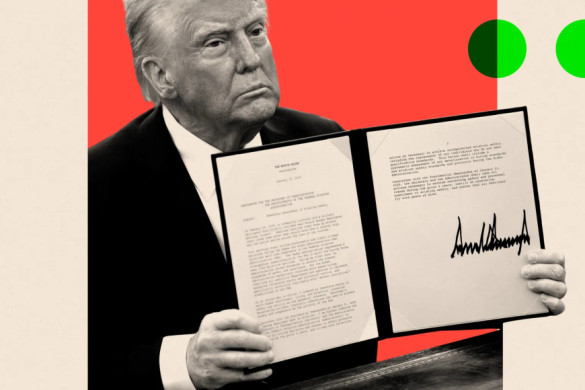
Under the new directive, the existing 25% tariff on Indian goods will be increased by an additional 25%, raising the total duty to 50%. The tariff will come into effect within 21 days. According to U.S. officials, India has been purchasing discounted Russian crude oil, refining it domestically, and re-exporting petroleum products into global markets. The White House argues that this practice enables Russia to generate critical revenue, effectively bypassing sanctions imposed by the West.
In response, India’s Ministry of External Affairs expressed deep concern over the U.S. decision. An official statement from New Delhi asserted that India reserves the sovereign right to secure its energy needs from diverse global sources, emphasizing that the country will not succumb to external pressure. The statement further criticized the U.S. action as unilateral, arbitrary, and unjustified.
Trade analysts believe that the tariff escalation could severely strain India-U.S. economic relations. Key export sectors such as agriculture, textiles, and technology are likely to face immediate repercussions. Additionally, the increased duties are expected to raise the prices of Indian goods in American markets, affecting consumers directly.
A senior Trump administration official warned that further punitive measures could follow if India continues importing Russian oil. The official stated that this tariff is just the first phase and hinted at even harsher sanctions if India does not alter its trade practices.
Earlier, the U.S. had imposed 50% tariffs on imports of steel, aluminum, and copper products, which had a significant impact on global trade dynamics. Analysts see the latest decision against India as an extension of Washington’s pressure tactics aimed at curbing financial inflows to Russia, while also signaling to allied nations that compliance with sanctions is non-negotiable.
Source:Reuters, AP