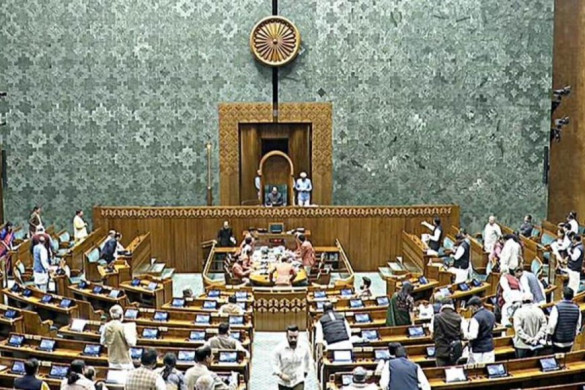
In a controversial move this week, the UK Parliament officially banned the activist group Palestine Action, designating it a terrorist organization under the Terrorism Act 2000. The decision, backed by 385 MPs, came into effect at midnight on July 5, making any support, membership, or promotion of the group a criminal offence punishable by up to 14 years in prison.
Among the MPs who voted in favour of the ban was Labour MP Tulip Siddiq, representing Hampstead and Kilburn. Her vote has drawn both praise and criticism as debates continue over whether non-violent civil disobedience should be treated with the same legal force as violent extremism.
“I support the right to peaceful protest, but repeated incidents of trespass and criminal damage cannot be ignored under the rule of law,” Siddiq said in a brief statement after the vote.
Palestine Action, formed in 2020, is known for its high-profile, direct-action campaigns targeting factories and offices linked to Israeli arms manufacturers. The group recently gained headlines for vandalizing military aircraft at RAF Brize Norton, splashing red paint on two Voyager planes, and causing an estimated £7 million in damages.
Following the incident, Home Secretary Yvette Cooper fast-tracked the proscription order, citing national security and the need to deter further “violent and disruptive tactics.”
The ban came into force just hours after Palestine Action lost its legal bid in both the High Court and Court of Appeal to delay or stop the government's decision. By the evening of July 5, more than 20 protesters were arrested in central London under the new anti-terror laws for showing support for the now-banned group.
A judicial review of the ban is scheduled for July 21, which may determine whether the designation stands in the long term.
Despite the government’s firm stance, critics from across the political and legal spectrum have condemned the move. MPs like Zarah Sultana and human rights organisations argue that the ban sets a dangerous precedent by treating civil disobedience as terrorism.
“This is a terrifying moment for democratic protest in Britain,” said one legal observer from Liberty. “Equating peaceful direct action with terrorism undermines the very foundations of free speech and political expression.”
Meanwhile, supporters of the ban maintain that while protest is legal, destructive tactics targeting defence infrastructure cross the line into criminality and public danger.