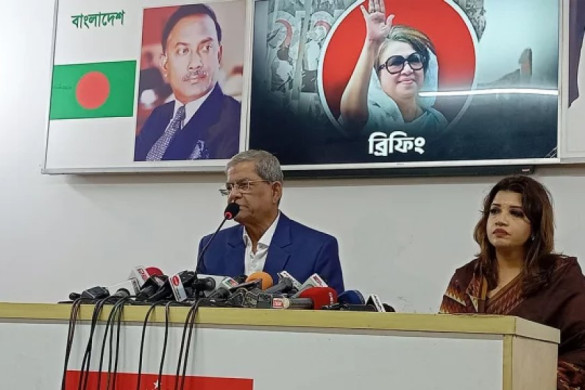
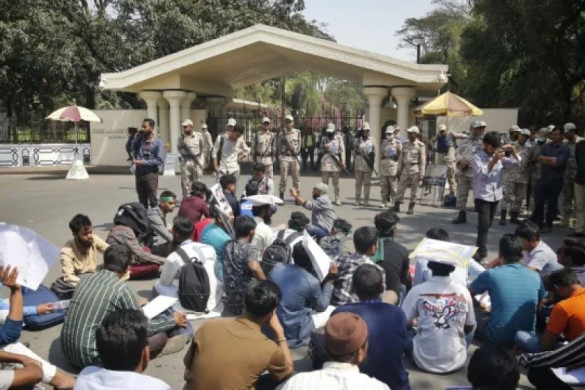
The charter, drafted by the National Consensus Commission on August 16 as an eight-point framework inspired by the spirit of the July mass uprising, initially contained clauses that triggered strong objections—particularly from the Bangladesh Nationalist Party (BNP).
The disputed provisions included:
1. The charter would take precedence in the event of a conflict with existing laws.
2. The authority to interpret the charter would rest solely with the Appellate Division of the Supreme Court.
3. The charter’s legality could not be challenged in court.
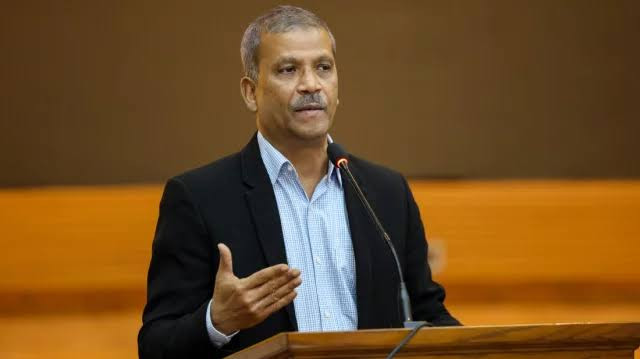
Commission Vice-Chair Professor Ali Riaz confirmed that, in response to political concerns, these provisions have been revised. “We sought the advice of legal experts to ensure that the charter remains both politically sustainable and legally sound,” he told reporters.
The finalized document will be divided into two sections: the first outlining measures that can be enacted immediately through administrative orders or ordinances, and the second listing long-term reforms requiring broader implementation. However, the charter will not itself prescribe implementation procedures.
Professor Riaz added that recommendations on implementation—such as public assemblies, referendums, constitutional conventions, or presidential ordinances—will be submitted separately to the government. He also confirmed that the commission’s tenure will not extend beyond September 15.
On Wednesday (September 3), Professor Riaz briefed Law, Justice, and Parliamentary Affairs Adviser Asif Nazrul on the proposals submitted by political parties. The commission has so far consulted informally with 28 parties and collected detailed opinions from 26 of them.
The commission will convene again Thursday afternoon to finalize the charter before circulating it to the political parties. A formal signing ceremony at a mass rally is expected to follow.
Dr. Badiul Alam Majumdar, another member of the commission, told Dhaka Post that this will be the final draft. “No further opinions will be solicited once the charter is sent out,” he said.
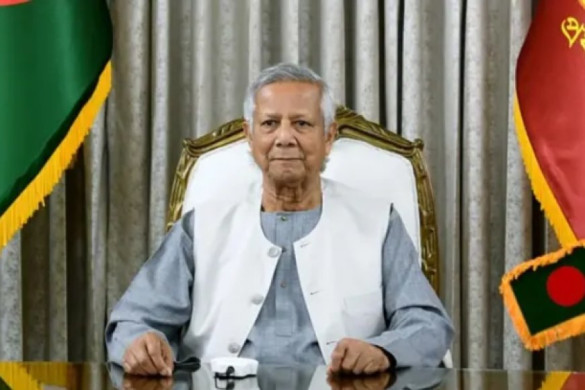
Following the fall of the Awami League government last year, the interim administration under Chief Adviser Professor Muhammad Yunus established six reform commissions. The National Consensus Commission, comprising their chairpersons, was later tasked with developing the July Charter as a blueprint for future governance through consensus among political parties